Precision Invoicing: Analytics Transforming Secure Mobile Payment Processes
Zoe Schmitz · Oct 23, 2026
Precision Invoicing: Analytics Transforming Secure Mobile Payment Processes
Payment systems have evolved to incorporate data analytics as a core component for managing invoices inside secure mobile payment gateways, where real-time processing meets regulatory demands. Organizations track transaction volumes, error rates, and reconciliation times through integrated platforms that pull structured data from multiple sources. These systems apply statistical models to identify discrepancies in billing amounts, due dates, and customer identifiers before they reach settlement stages.
Core Mechanisms of Data Integration
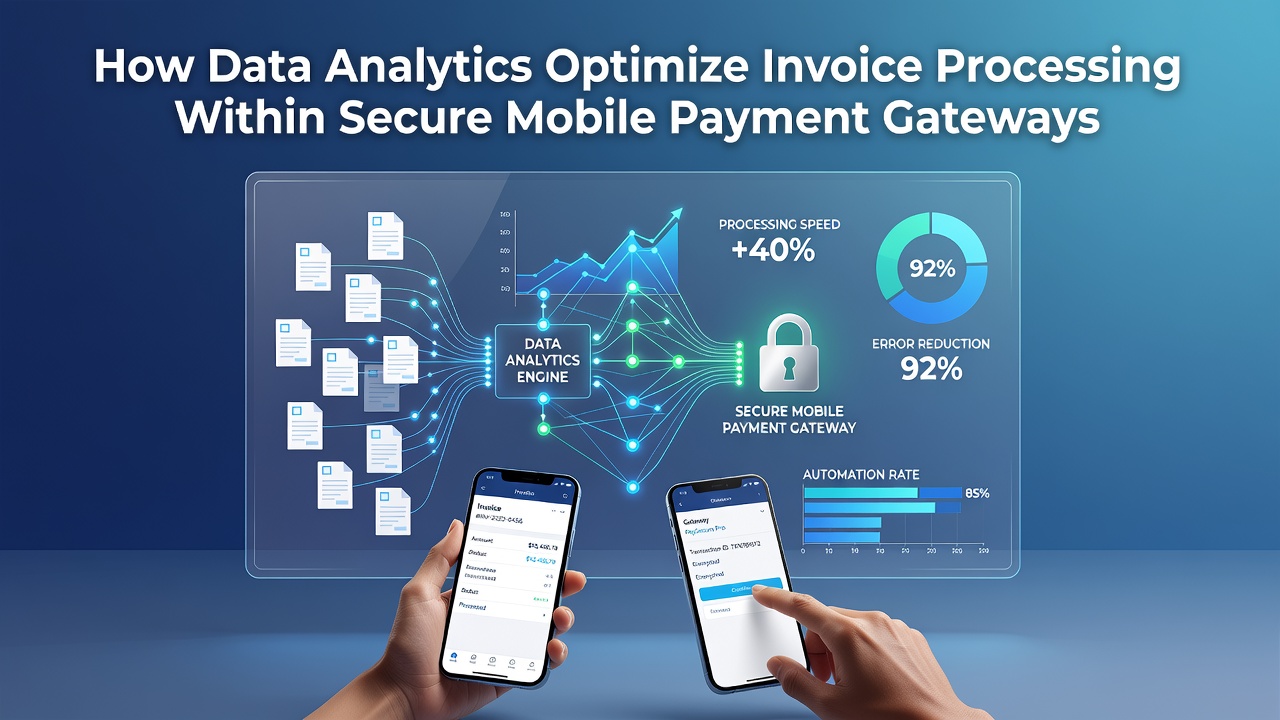
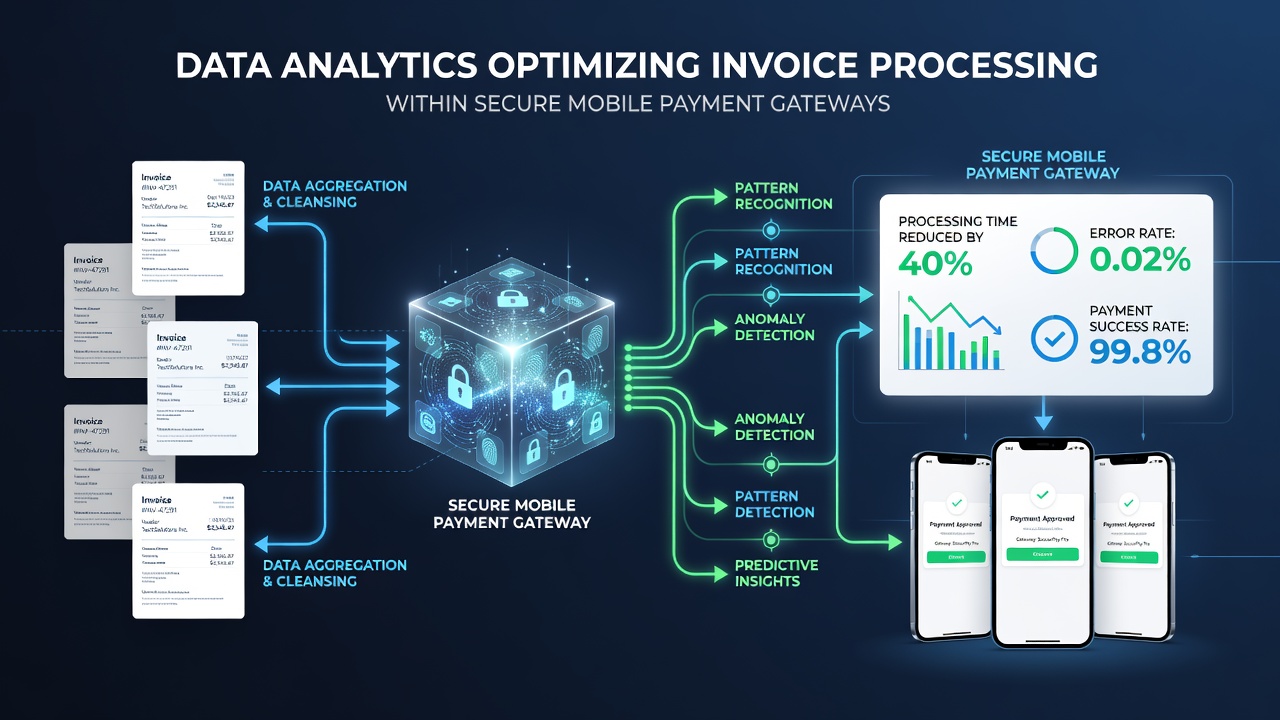
Secure mobile payment gateways collect raw invoice data at the point of entry, then route it through analytics engines that standardize formats across currencies and jurisdictions. Algorithms parse line items, apply validation rules, and flag inconsistencies such as duplicate entries or mismatched tax codes. Researchers at institutions studying financial technology note that this pipeline reduces manual review cycles by connecting directly to enterprise resource planning tools without exposing sensitive card details.
Pattern matching routines examine historical datasets to predict processing bottlenecks during peak periods, while clustering techniques group similar invoices for batch handling. Data pipelines feed these outputs into dashboards that display key performance indicators including average time from receipt to approval and percentage of automated matches. Observers note that gateways equipped with such layers maintain PCI DSS alignment by limiting data exposure during analysis phases.
Applications in Error Reduction and Workflow Efficiency
Analytics tools detect anomalies in invoice sequences by comparing current submissions against established baselines derived from millions of prior records. When variances exceed defined thresholds, the system routes cases for secondary verification rather than halting the entire batch. This approach has proven effective in multi-merchant environments where volume spikes occur regularly. Studies from European research centers indicate measurable drops in reconciliation discrepancies when predictive models incorporate seasonal transaction patterns alongside real-time gateway feeds.
Further along the workflow, optimization routines prioritize invoices based on risk scores calculated from payer history, amount ranges, and geographic signals. Automated adjustments to approval queues occur without human intervention in low-risk scenarios, freeing staff to address higher-complexity items. Evidence from operational reports shows that organizations adopting these methods achieve faster cycle times while preserving audit trails required for compliance audits.
Security Considerations and Compliance Alignment
Within protected environments, analytics operate on tokenized or encrypted datasets to prevent exposure of primary account numbers during processing. Access controls limit analyst queries to aggregated views, adn audit logs record every data touchpoint for regulatory review. Australian regulatory publications emphasize the importance of such segmentation when handling cross-border mobile transactions that involve varying data residency rules.
Machine learning components refine their accuracy over successive cycles by incorporating feedback from resolved exceptions. This iterative training supports detection of emerging fraud vectors tied to invoice manipulation without requiring full system overhauls. Industry analyses from North American sources highlight how these adaptive systems maintain performance benchmarks even as transaction volumes scale during events like holiday shopping periods.
Measurement of Outcomes and Future Trajectories
Key metrics tracked through analytics platforms include straight-through processing rates, cost per invoice, and dispute resolution timelines. Comparative data across similar gateway deployments reveal consistent improvements when analytics layers receive regular updates from fresh transaction streams. In October 2026, several fintech consortia published aggregated findings showing continued gains in accuracy metrics following expansions in cloud-based analytics capacity.
Integration with external data sources such as currency exchange feeds and regulatory update services further strengthens predictive capabilities. Gateways that synchronize these inputs generate forward-looking reports on cash flow impacts, enabling merchants to adjust invoicing strategies proactively. Those who have implemented comprehensive analytics stacks report sustained alignment with global standards while managing growing mobile transaction shares.
Conclusion
Data analytics continue to reshape invoice handling inside secure mobile payment gateways by connecting raw inputs to actionable outputs through structured validation and predictive modeling. The documented results across error reduction, processing speed, and compliance maintenance demonstrate measurable operational shifts driven by these techniques. As platforms evolve, the focus remains on maintaining data integrity while supporting expanded mobile commerce volumes worldwide.